
Our Story
Who We Say We Are
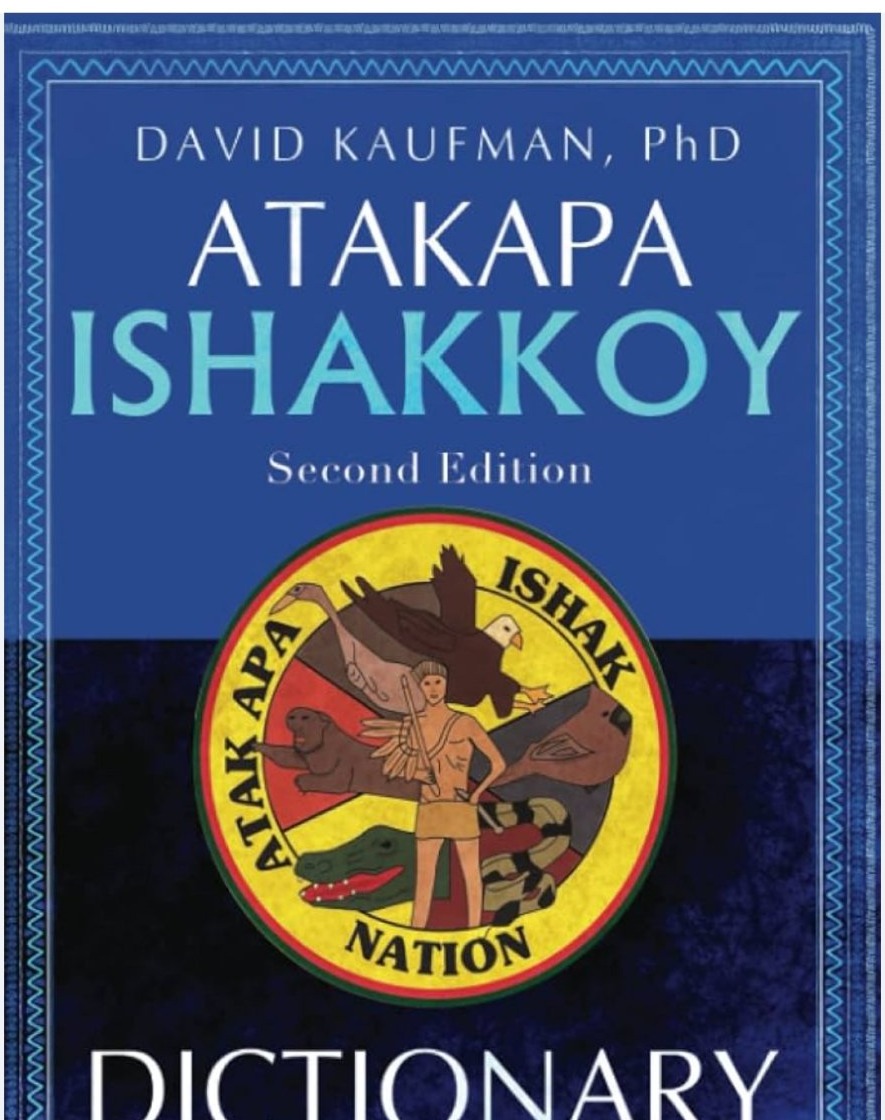
For centuries, the outside world called us Atakapa. We wear that name today with deep pride and great honor — it was spoken by neighboring nations who looked upon our ancestors, witnessed our strength, and knew our power. We took that name and made it a badge of survival. But in our own tongue, Ishākkoy — “Human Being Talk” — we have always been the Ishak: The People.
The People of the Sunrise and the Sunset
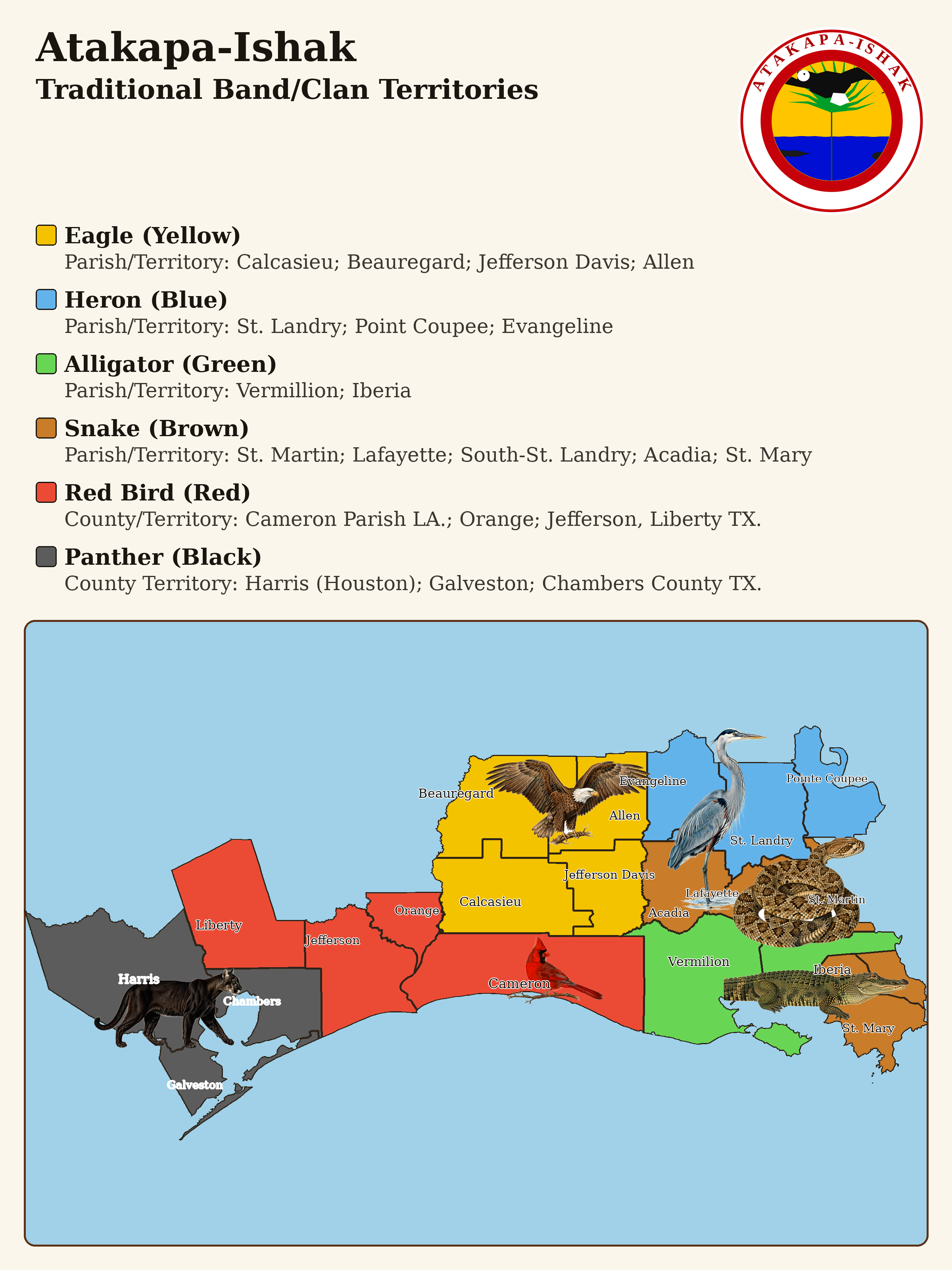
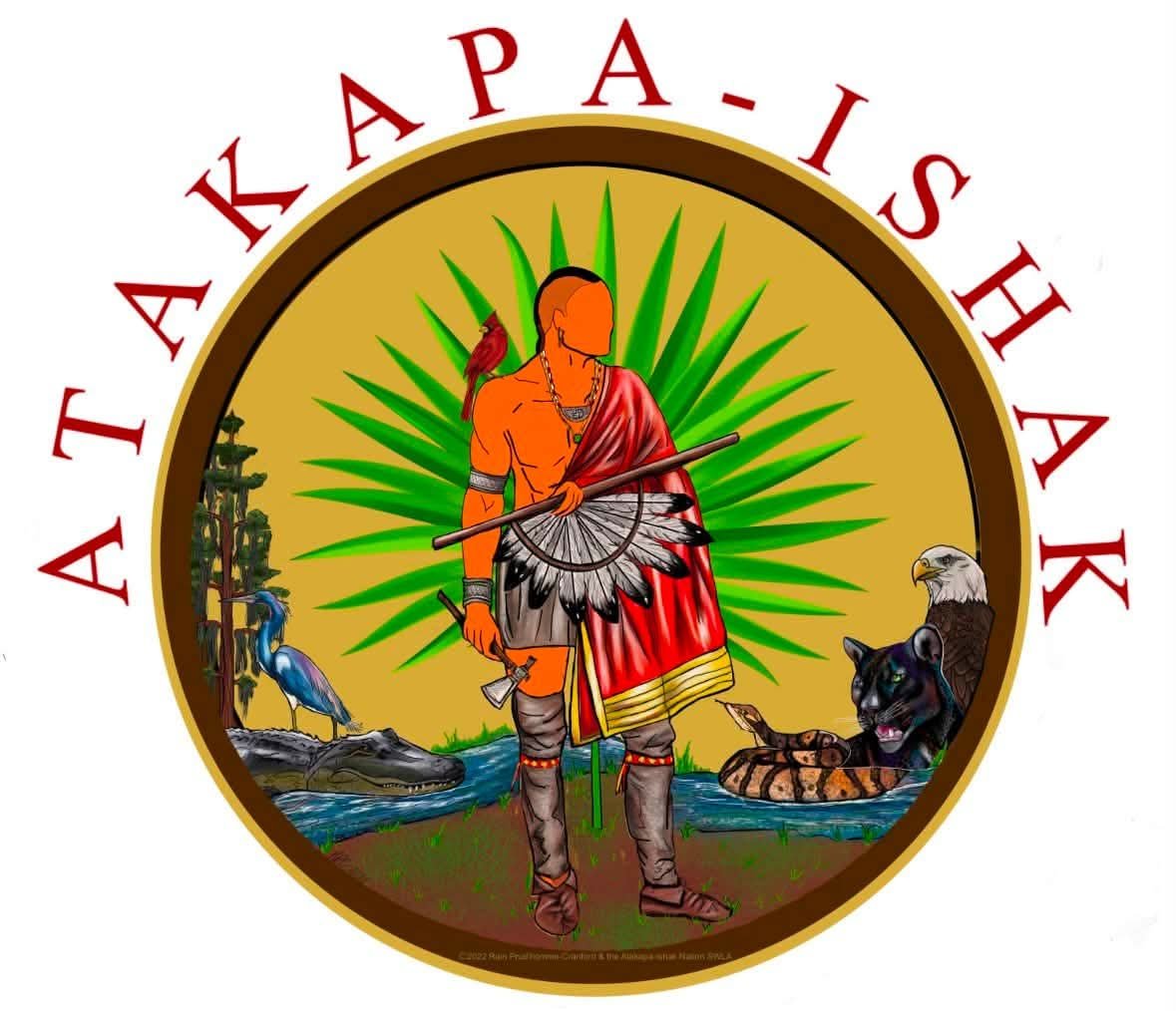
Our nation was organized around the path of the sun. The Hiyekiti Ishak are our Sunrise People, anchored in the prairies and bayous of Southwest Louisiana; to the west stand the Akokisa, our Sunset People. When the old histories show you the Akokisa of Galveston Bay, you are not looking at a vanished tribe — you are looking at us. Under colonial pressure, our Texas families traveled the ancient riverways eastward into the deep Louisiana marshes, folding into the Sunrise enclaves until the two became one unbreakable fortress.
We are people of the Sun. Its rising opens our day and its setting closes it; its seasons mark our planting and harvest, our ceremony and gathering. Everything the people ate, wore, built, and burned came up under that sun. To name ourselves by the sun is to say we belong to the light, to the living, to what endures.
Our Leadership Heritage
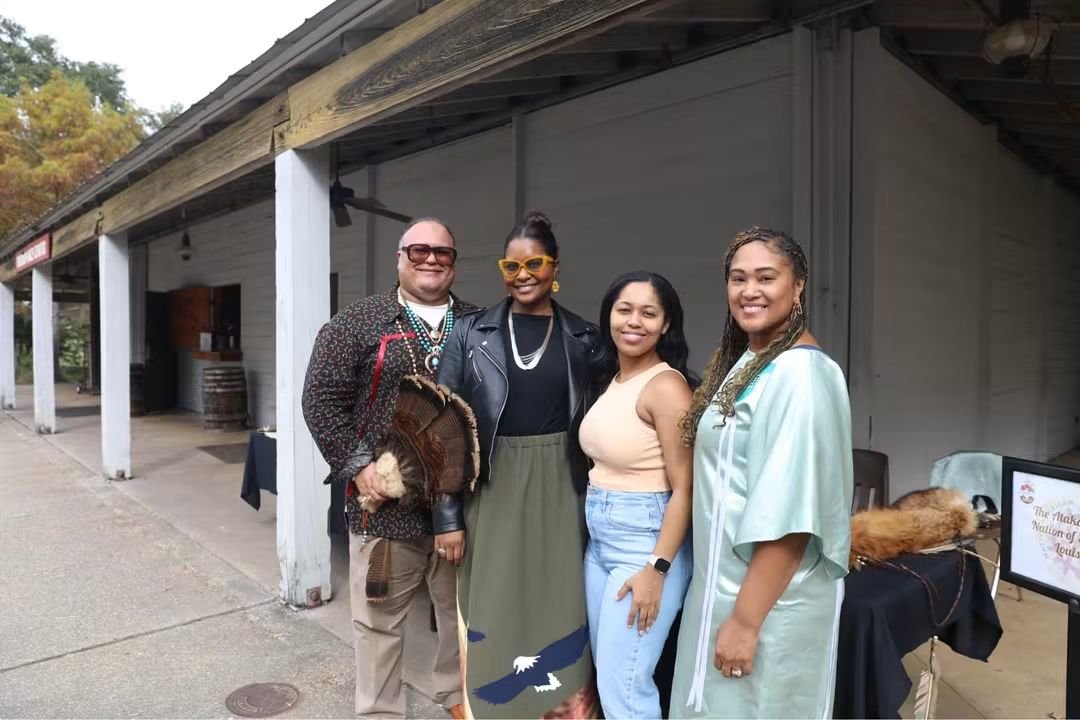
The Atakapa Ishák Nation is guided by a rich legacy of leadership, dedication, and cultural preservation. Our Principal Chiefs have consistently served as the spiritual and organizational anchors of our community, bridging our sacred traditions with the modern era. Through times of challenge and renewal, each leader has carried forward the flame of our sovereignty, ensuring that the voice of the Ishák people remains resilient, proud, and unified.
We honor the profound contributions of the leaders who have shaped our path, protected our heritage, and guided our nation forward:
- Chief Hubert Singleton
- Chief Michael Amos
- Chief Edward Chretien Jr. (Chief Emeritus)
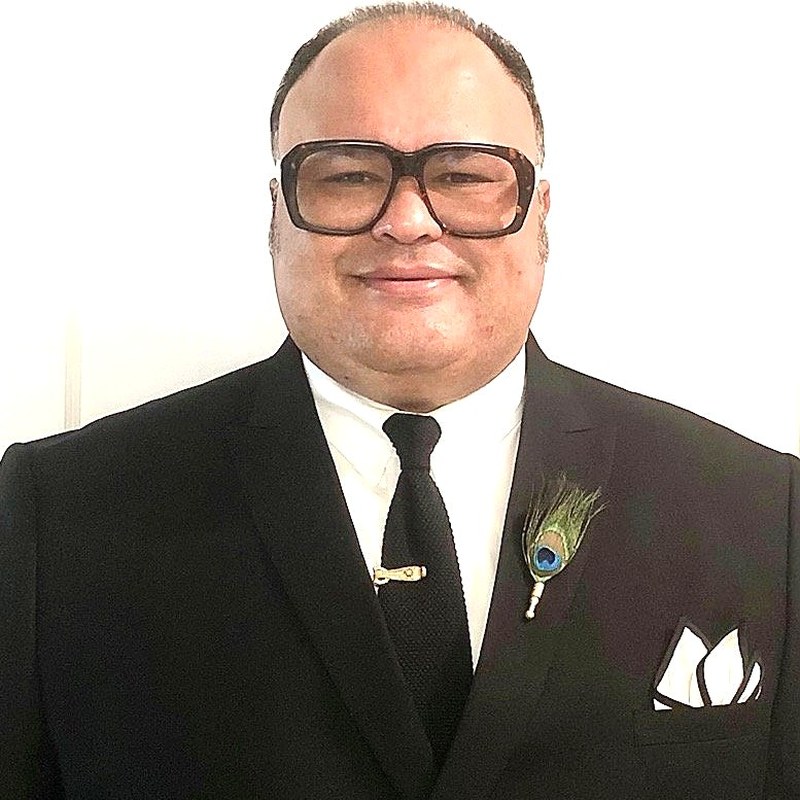
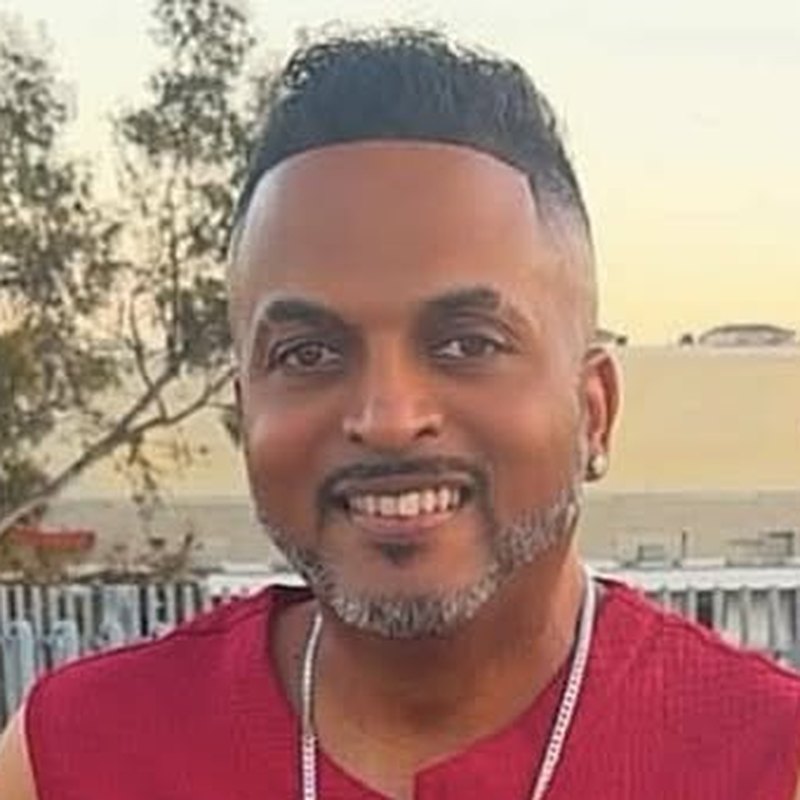
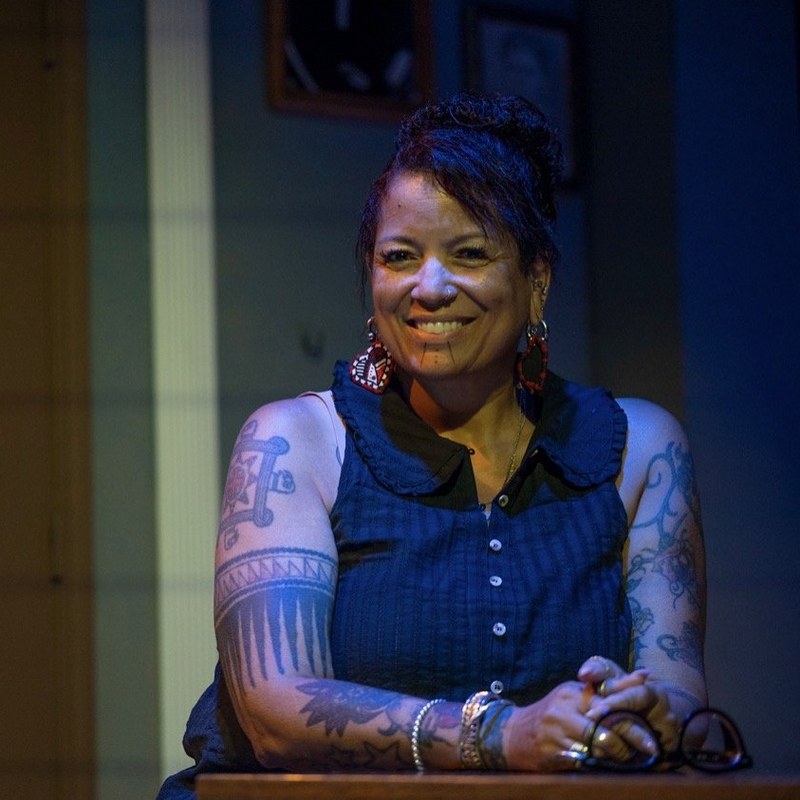
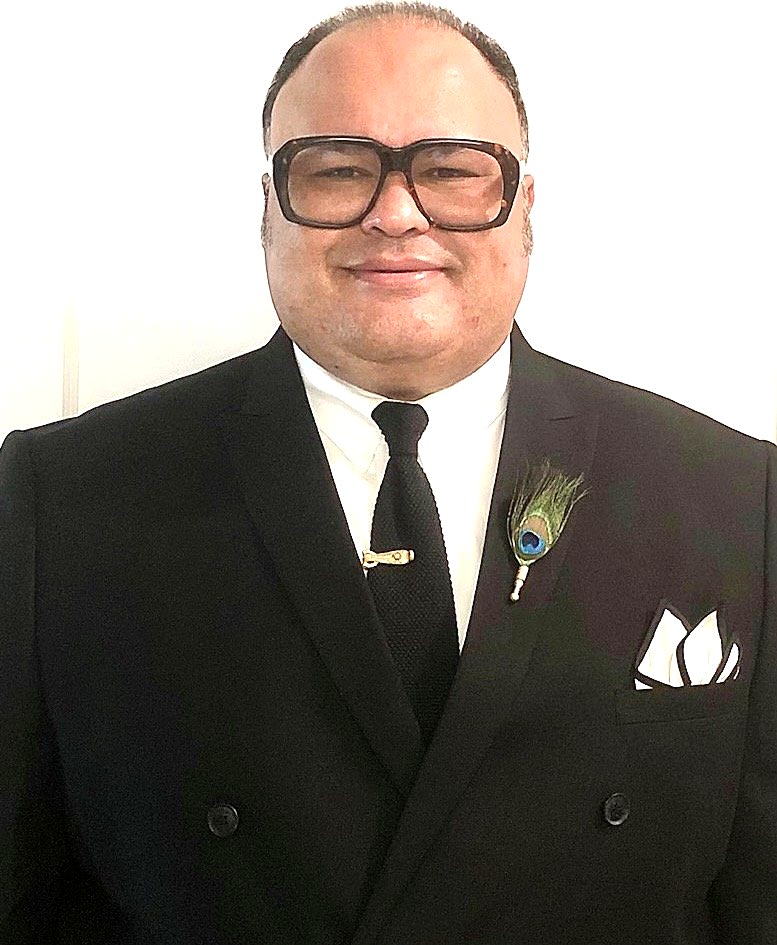
- Chief Shawn Papillion (Walwal) (Current Principal Chief)
Through every storm and every silence, the Ishak never left this land. The People held to the bayous that fed them, the rivers that carried them, and the old words that named them. What was buried was never lost. What was quiet was never gone. The language is being spoken again, the generations are gathering again — we are still here, we are still together, and our story is still being written.